

From Building a Chatbot to Rethinking Student Support: The Story of “Tante Geesje”
When we took a closer look at the wellbeing of our students, we noticed something important: our organization already offers a wide range of support, facilities and initiatives. Yet many students are not aware, these exist or struggle to find them. This insight led us to search for a way to lower that barrier and guide students more easily to the support that fits their needs.
Our chatbot, affectionately called “Aunt Geesje,” was built on EduGenAI, a Dutch AI platform developed specifically for education and hosted through N pulse. We trained her using carefully selected documents from our student portal, containing information on everything from exam regulations to internship procedures. We also gave her a warm, approachable personality, like a helpful aunt who always has time for your questions. After that, we invited students to put her to the test.
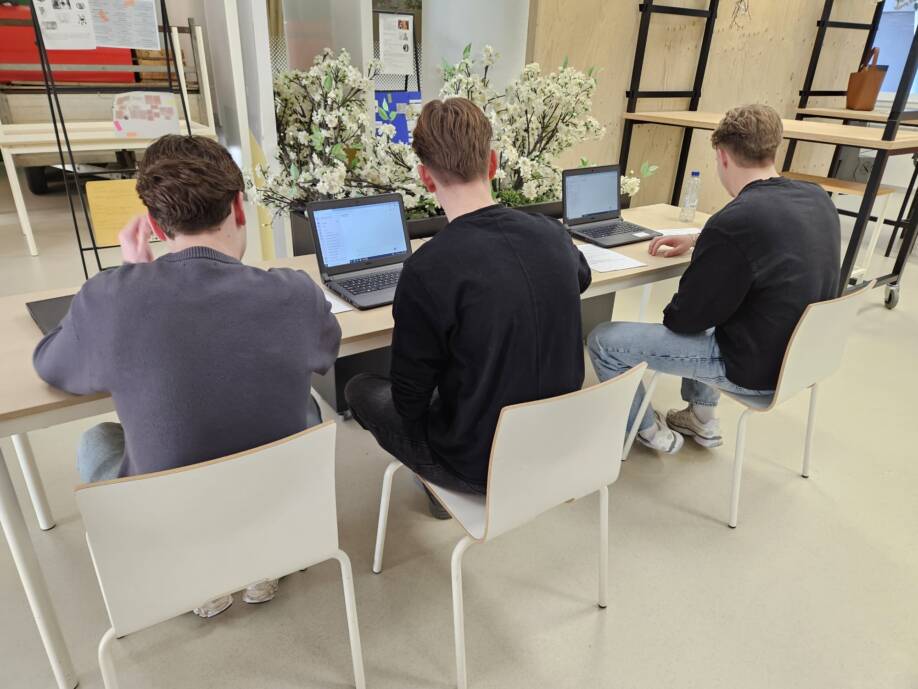
In January 2026, twenty five students from the Care, Sports and Welfare sector tested “Aunt Geesje” over the course of a week. Each student asked her between three and ten questions, covering a wide range of topics. The results were encouraging students rated Geesje an average of 7.6. They appreciated her clear, accessible language and the fact that she consistently cited her sources, something 68 % of students confirmed. Almost all students described her tone as friendly or neutral, showing us that we had found the right balance in her personality design.
Throughout this process, we became increasingly aware of how crucial the quality of our input is. A chatbot can only be reliable when the information it is trained on is complete, up to date and carefully formulated. She should not improvise or draw her own conclusions; it is our responsibility to provide her with accurate knowledge and clear boundaries. This insight helped us take a sharper look at our own information provision and where it can still be improved.
Geesje’s greatest potential lies in her availability and accessibility. She is there around the clock, in any language a student chooses to communicate in. For students who may hesitate to approach a counsellor (due to cultural barriers, language, or simply not knowing where to go) a chatbot that listens without judgement and points them in the right direction can make a real difference.
Our journey with Geesje has taught us that building an AI tool for education is not primarily a technical challenge. It is a process of listening to students, to colleagues, and to the gaps between what we offer and what students need.
We will continue developing Geesje as part of Work Package 4, creating learning and orientation materials that other VET institutions can adapt. Our full implementation guide, including our system prompt, design choices and student feedback analysis, will be published on the IPVET website in 2026.
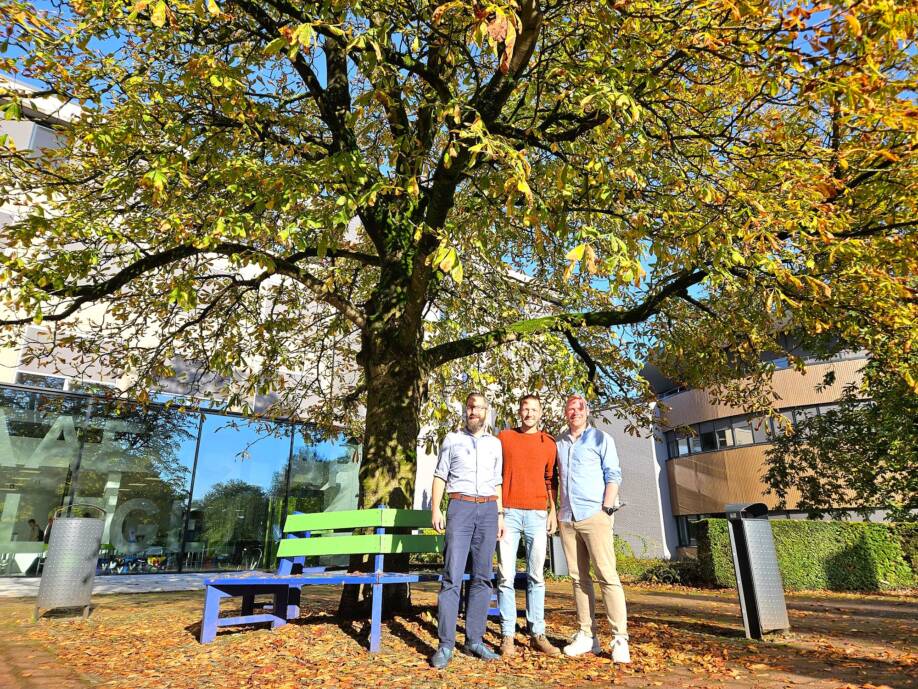
Writers: Frank Kockelkoren, Rick Kleinhesselink and Lars Duistermaat, Graafschap College, Doetinchem, the Netherlands.
We will continue our journey by creating learning and orientation materials (WP4). The implementation guide described above is one of these materials and will be published on the IPVET webpage in 2026 so please follow our website for updates: winnova.fi/ipvet